
Professional Bee and Wasp Management in Glenolden, PA
In Glenolden, PA, bees and wasps routinely establish colonies in eaves, wall voids, and outdoor spaces each year. Below you’ll find details on our bee and wasp services, including nest extraction, handling active infestations, and addressing structural hive issues. Our certified pest‑control specialists act promptly to eliminate nests safely. Bug Away Exterminating & Termite Control Co. has been protecting Delaware County residents since 1995 and operates under PA License BU8085 with certifications in Categories 11 and 12.
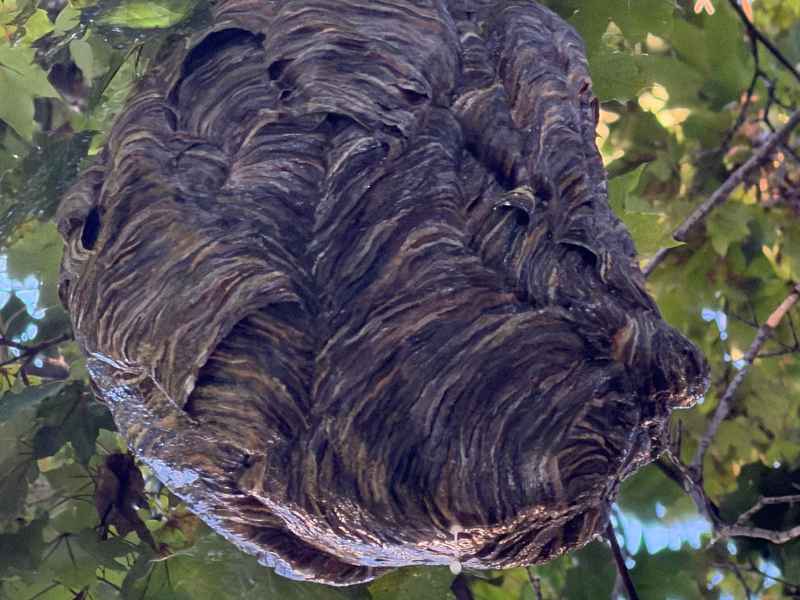
What Does Bee and Wasp Management Involve in Glenolden, PA?
Bee and wasp management in Glenolden, PA entails locating, treating, and removing colonies from homes or yards in a safe manner. A licensed technician determines the insect species and selects the most appropriate removal technique for that particular hive. The treatment safeguards your family, property, and landscaping from ongoing stinging insect activity.
Our approach includes:
- Thorough inspection of eaves, soffits, wall cavities, and ground nests
- Targeted application of treatment to eliminate or relocate the colony
- Sealing of potential entry points to prevent future nesting
How to Recognize a Bee or Wasp Issue in Glenolden
Detecting a problem early prevents a modest nest from expanding into a full‑scale colony. Glenolden’s historic row houses and split‑level homes contain numerous gaps where wasps can slip into walls unnoticed.
Look for these indicators around your roofline or garden:
- Repeated flights over a single spot on the structure
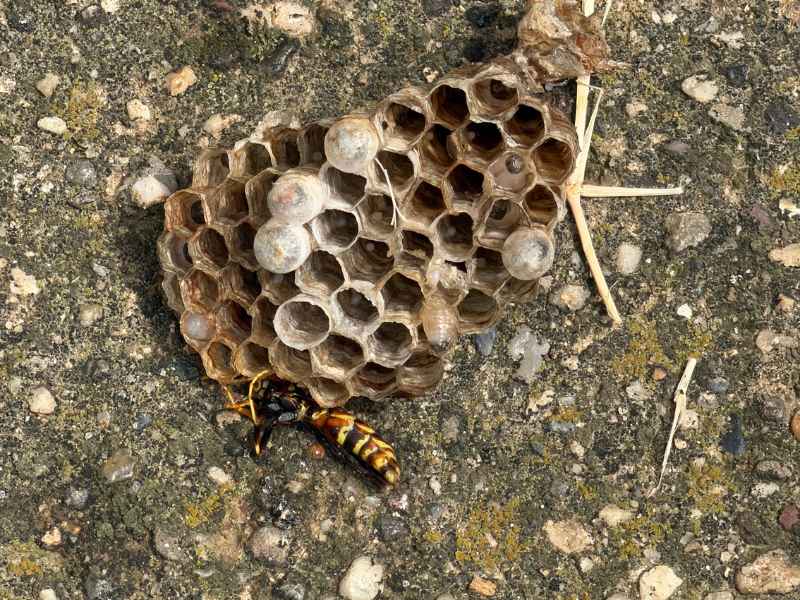
- Paper‑like constructions under eaves or within shrubs
- Activity at ground level: some wasp species nest underground
- A humming or buzzing sound inside walls, suggesting bees are inside the building
If any of these clues appear, reach out to us before the colony enlarges.
Seasonal Timing: Why Early Removal Matters
Removing a nest in early spring is the most straightforward option. Queens begin with small colonies; catching them at this stage reduces labor and time. Delaware County experiences rapid spring warming, and nests near Glenolden parks can swell quickly once temperatures stay warm.
Seasonal differences:
- Early‑spring nests often contain fewer than 50 insects (easiest to handle)
- Summer colonies may house thousands of workers, requiring more complex tactics
- Fall colonies become more defensive as food dwindles
- Waiting until winter is risky, some species overwinter inside walls
We can treat nests year‑round, but early action always simplifies the job.
What Our Glenolden Neighbors Say
We had a swarm of bees we didn’t see until 4pm, called in and they came out first thing in the morning to soak them. Came back out the second day for removal! The service was great and I love how fast they came out and took care of us! The price for the service was perfect!
Professional and dependable on time pest inspections and treatments.
I’ve been using Bug away extermination for a few years now. Kenny and his team have offered top tier service. They are very knowledgeable and thorough when it comes to a treatment plan. I recently moved and knew exactly who to call for my preventative plan.
Very professional, on time, reasonably priced and friendly service. Highly recommended.
Efficient inspection and Ant Control administered. Polite and thorough. Very professional.
This team was prompt and professional and follow up has been amazing. Still working on a serious pest control problem but feel confident I have the right people on the job.
When to Call a Professional Pest‑Control Service
Understanding the right moment to enlist a professional avoids painful stings and half‑finished removals. Areas like Swarthmore Avenue feature many attached garages, common hiding places for hidden hives that homeowners frequently overlook.
Contact us instead of DIY if:
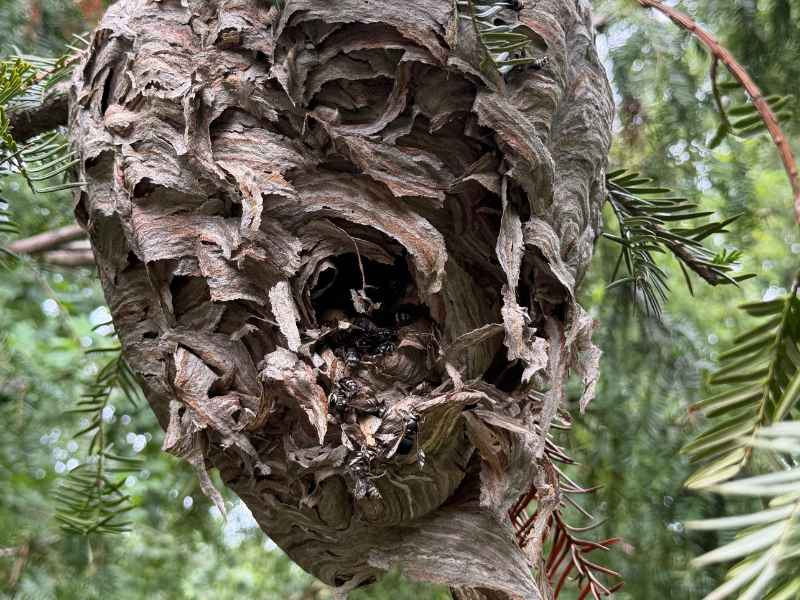
- The hive resides in a wall, attic, or other structural cavity
- Anyone in the household has a known allergy to stings
- Bees become aggressive when you approach (do not attempt to get close)
- A previous removal failed and the nest reappeared (a pro can locate the source)
- You rely on commercial aerosol sprays that kill on contact but cannot reach concealed colonies
Partial removal leaves the colony intact. A licensed technician can locate the entire nest and address the underlying cause.
What to Expect During a Professional Bee and Wasp Service Visit
Our method is clear and transparent, so you know exactly what will happen on the day of the appointment. Because Glenolden lots are often compact, our technicians also check neighboring fence lines and shared walls, not just the visible nest.
During the visit we will:
- Conduct a comprehensive property inspection, beyond the area you identified
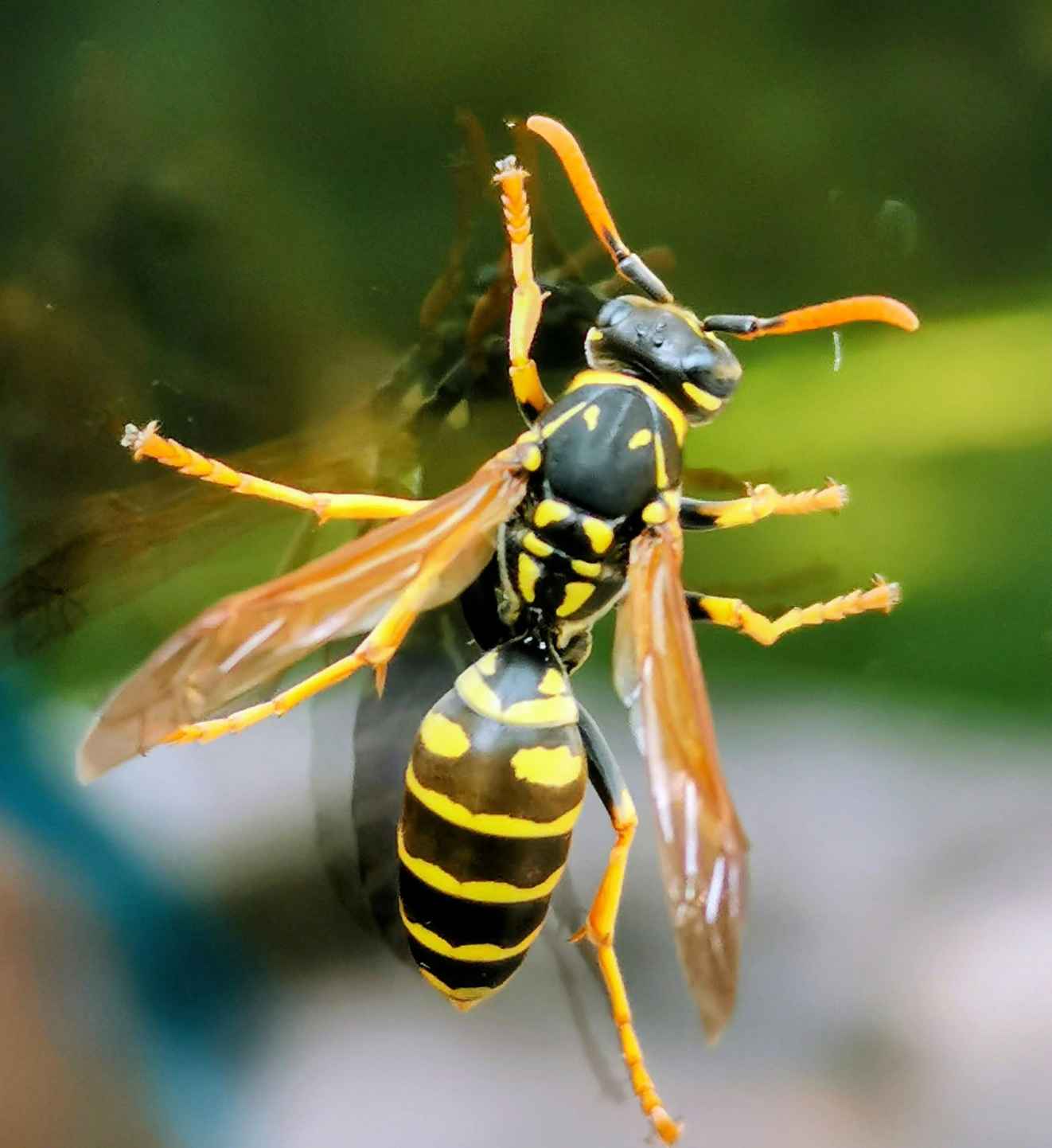
- Determine the species: honeybee, yellowjacket, paper wasp, or hornet
- Select the appropriate treatment based on location and species
- Seal any entry points on structures after treatment, if necessary
- Provide straightforward post‑treatment guidance before the technician departs
You’ll always be informed about what was discovered, what actions were taken, and what to monitor afterward.
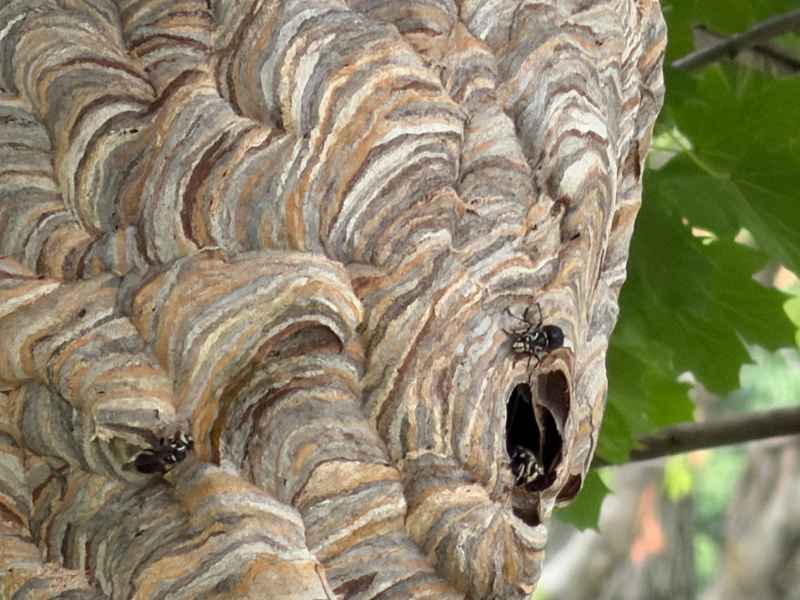
Preventing Future Bee and Wasp Intrusions
Preventative measures stop re‑infestations before the next season begins. The Morton and Norwood neighborhoods share a dense tree canopy with Glenolden, causing nesting pressure to shift between yards each spring, making blockage of entry points crucial.
After we finish treatment, follow these steps:
- Seal cracks in soffits, fascia, and utility penetrations
- Remove any abandoned nests; wasps often reuse old sites if left untouched
- Keep trash containers tightly sealed; open bins attract foraging wasps
- Trim thick shrubs and overhanging branches near the house
- Arrange a seasonal inspection before spring activity peaks
We offer preventive appointments to ensure new colonies don’t discover the same vulnerable spots on your property.
Why Glenolden Residents Should Respond Quickly to Stinging Insects
Prompt action protects your family, pets, and the integrity of your home. Glenolden’s older housing stock means wall voids can fill rapidly once insects locate a gap, and delays make removal far more complicated.
Consequences of waiting:
- A ten‑member colony can swell to 5,000 by midsummer
- Ground nests may be naturally disrupted by wildlife, but wall nests require professional handling
- Structural hives leave wax and honey that attract other pests after the insects die
- Defensive species guard large colonies aggressively; distance alone isn’t safe
- Our technicians are equipped with proper protective gear and tools that homeowners lack
Bug Away Exterminating & Termite Control Co. has managed these scenarios throughout Delaware County since 1995. Call at the first sign of activity.
Frequently Asked Questions
When is the ideal time to arrange bee and wasp nest removal in Glenolden?
Early spring offers the best window. Colonies are still small and queens have just begun building, making treatment quicker and less involved. While we can work in any season, smaller colonies are always easier to manage than full‑blown summer nests.
How can I tell if I need a professional service rather than a store‑bought spray?
If the nest is inside a structure, the colony is large, or someone in the home has a sting allergy, a professional service is required. Over‑the‑counter sprays only affect surface insects and cannot penetrate wall voids or deep cavities. A licensed technician will locate the entire nest and treat it comprehensively.
What products eliminate wasps rapidly during a professional treatment?
Certified technicians apply specialized insecticides that work on contact and can reach deep into nest chambers. These formulations are not sold to the public and are applied only by licensed professionals. Our team holds PA License BU8085 with Categories 11 and 12, authorizing this type of application.
Can bees return after we remove a nest?
Yes—if entry points remain open, bees can be attracted back by residual scent trails and wax. After removal, our technicians seal all access routes to minimize the chance of re‑infestation.
What are the signs of a hidden wall nest in my Glenolden home?
Listen for buzzing inside walls, notice soft or discolored spots on drywall, and watch for unexplained insect entry points. These indicators often appear before any external nest becomes visible. Contact us promptly if you detect any of these signs.
Must I vacate my home while the bee and wasp treatment is performed?
The need to leave depends on the treatment method and nest location. Some applications allow occupants to remain indoors, while others require temporary distance from the treated area. Our technician will advise you when you schedule the appointment so you can plan accordingly.